


Morning Habits Ranked: What the Science Says vs. How Hard They Are to Keep
Every wellness article hands you a different list of must-do morning habits. Drink lemon water. Plunge into ice. Wait 90 minutes for your coffee. Make your bed. Meditate, journal, stretch, and somehow get all of it done before 7 a.m. They can't all be priorities, and most of them never tell you which ones actually earn their spot.
So you scored them on the only two things that decide whether a habit is worth your time: how strong the science behind it really is, and how hard it is to keep up once the motivation fades. A habit that works but that nobody sustains is useless to you, and a habit that's easy but does nothing is just noise. The scorecard below sorts the most-recommended morning habits into four honest buckets so you can skip the hype and spend your mornings on what pays off.
Before you begin - always consult your physician before beginning any exercise (or dietary) program(s). This general information is not intended to diagnose any medical condition or to replace your healthcare professional. Consult with your healthcare professional to design an appropriate exercise prescription (or dietary program) that's right for you.
Which morning habits are actually worth your time?
The morning habits worth your time are the ones with solid science behind them that you can also realistically sustain: getting daylight soon after you wake, keeping a consistent wake time, eating protein at breakfast, rehydrating, and a few minutes of mindfulness all clear that bar, while trendy moves like delaying your coffee and cold plunges do not.
You ranked each habit on two scales. The evidence score reflects how strong and consistent the research is, from Strong (multiple trials and meta-analyses agree) down to Weak/Contested (the popular rationale isn't supported). The effort score reflects how hard the habit is to sustain daily, from Low (a couple of minutes, no willpower needed) to High (the kind of thing people quit within weeks). Where those two scales cross, every habit lands in one of four verdicts: Start Here, Worth It If You Can, Harmless, Optional, or Overrated.
| Morning habit | Evidence | Effort | Verdict | The short version |
|---|---|---|---|---|
| Get daylight soon after waking | Strong | Low | Start Here | Morning light anchors your body clock, which supports sleep, alertness, and mood. Cheap, fast, and well-studied. |
| Keep a consistent wake time | Strong | Medium | Start Here | In a 60,000-person study, the most regular sleepers had roughly 20–48% lower all-cause mortality than the least regular. Waking at the same time daily is the lever you control. |
| Eat protein at breakfast | Strong | Medium | Start Here | Protein at breakfast reliably raises fullness and lowers hunger through the morning. It won't automatically cut your total daily calories, but it steadies appetite. |
| Drink water when you wake | Moderate | Low | Start Here | Even mild dehydration drags down focus and mood, so rehydrating early is a free, harmless win — though total intake across the day matters more than the exact timing. |
| A few minutes of mindfulness or breathwork | Moderate–Strong | Medium | Start Here | Mindfulness practice consistently lowers perceived stress and anxiety across trials, with the biggest gains for people under real strain. |
| Move your body (a walk or workout) | Strong | High | Worth It If You Can | Exercise itself is about as proven as health advice gets. Doing it specifically in the morning shows emerging cardiometabolic perks, but the real reason to go early is that you're more likely to actually do it. |
| Make your bed | Weak | Low | Harmless, Optional | A tidy-room feel-good move with no real health research behind it. Costs nothing, so do it if it sets your tone — just don't expect a physiological payoff. |
| Delay your coffee 60–90 minutes | Weak/Contested | Medium | Overrated | The cortisol-and-adenosine rationale behind this viral rule isn't supported by the evidence. Fighting a craving for a benefit that doesn't hold up is effort misspent. |
| Cold shower or cold plunge | Emerging | High | Overrated | A 3,000-plus-person review found modest, often short-lived effects on stress and sleep — and a brief rise in inflammation right after. Worthwhile if you enjoy it, not essential. |
How to read this: Anything in the Start Here column is where to put your energy first (this means the science is solid and the lift is low). Treat the Worth It If You Can categorization as your stretch goal, Harmless, Optional as a personal-preference call, and Overrated as permission to stop feeling guilty about skipping it.
Let's break down each verdict in detail. This includes which habits have the strongest science, the single best one to start with, and why two of the internet's favorite morning rituals didn't make the cut.
Which morning habits have the strongest science behind them?
Four habits carry the heaviest research: keeping a consistent wake time, getting daylight early, moving your body, and eating protein at breakfast — each is backed by large studies or repeated trials rather than a single buzzy headline.

Start with your wake time, because the evidence here is hard to argue with. Researchers tracking more than 60,000 adults found that people with the steadiest sleep-and-wake timing died at markedly lower rates over the following years than the most erratic sleepers, and that regularity predicted mortality even better than how long they slept. You can't always control when you fall asleep, but you can control when your alarm goes off, which makes a fixed wake time one of the highest-value moves you can make.
Daylight is the close partner to a steady wake time. Light in the first part of your day sets your internal clock, and reviews of light-exposure trials link well-timed morning light to better sleep, steadier mood, and lower daytime fatigue. The two habits reinforce each other: a consistent wake time gets you up, and stepping into bright light shortly after tells your body the day has started.
Movement earns its place too, though with a caveat about timing. Exercise is one of the most thoroughly validated health behaviors there is, and adults are generally advised to log at least 150 minutes of moderate activity a week. Whether the morning is the best slot is less settled. A systematic review found no clear winner between morning and evening training for most health outcomes, even as newer observational work hints at a morning edge for heart and metabolic health. The practical case for going early is simpler than the science: a workout you finish before the day's demands pile up is a workout you're far more likely to keep doing.
Protein at breakfast rounds out the group. Across randomized trials, a protein-rich first meal raises fullness and blunts hunger through the morning more than a carb-heavy one. We'll come back to exactly how much protein and how to hit it without cooking, but on the evidence alone, it belongs near the top.
What's the best morning habit if you only do one thing?
If you change only one thing, get outside into natural light within an hour of waking. It's the rare habit that combines strong scientific support with almost no effort.
Most habits force a trade-off between how well they work and how hard they are to sustain. Daylight sidesteps that. It takes a few minutes, needs no equipment or willpower, and works through a mechanism your body is already wired for: light is the main signal that sets your circadian clock, and that clock governs when you feel alert, when you wind down, and how well you sleep that night. Reviews of light-exposure research connect consistent morning light to improvements in sleep quality, mood, and fatigue.
The payoff also compounds. A well-set clock makes it easier to wake at the same time tomorrow, which is the consistent-wake-time habit that ranks just as high on evidence. Pair the two - wake at a fixed time, then get into bright light soon after - and you've handled the foundation that most other morning habits quietly depend on. Open the blinds, step onto a balcony, or walk the block; even an overcast morning outdoors delivers far more light than a lit room indoors.
Which popular morning habits are overrated?
The two most overrated morning habits are delaying your coffee for 60 to 90 minutes and taking a cold plunge. Each demands real effort for benefits the research either contradicts or can barely detect effect.

The delayed-coffee rule went viral on a tidy-sounding premise: hold off so you don't blunt your natural cortisol rise or interfere with adenosine clearing. A 2024 review of caffeine science took that reasoning apart, concluding the proposed cortisol and adenosine mechanisms don't hold up. If a small benefit exists from waiting, it isn't for the reasons the trend claims (and white-knuckling through a craving for an unproven edge is a poor use of your willpower). If you enjoy your coffee first thing, the evidence gives you no reason to stop.
Cold plunges and cold showers sit in similar territory, with a bit more nuance. A review pooling more than 3,000 participants found some real effects like lower stress that showed up about 12 hours later, modest gains in sleep quality and quality of life, and fewer sick days among regular cold-shower takers. But it also found a short spike in inflammation right after immersion, no reliable mood boost, and benefits that tended to fade. For a habit that asks you to step into freezing water every morning, that's a thin return. Do it if the jolt genuinely makes your day better; don't do it because you think you're obligated to.
Making your bed lands in a gentler category. There's no health research behind it, but it costs nothing and some people like the tidy reset, so it's harmless if you enjoy it. Just try not to mistake it for a habit that moves any health needle(s).
What should you eat for breakfast in the morning?
Build breakfast around protein (~20 to 30 grams), because it keeps you fuller and your appetite steadier through the morning than a carb-heavy meal does.
The satiety effect is one of the better-replicated findings in nutrition. In controlled trials, breakfasts delivering around 30 grams of protein produced more fullness and lower post-meal blood-sugar swings than low-protein options, and the appetite benefit tends to show up most reliably once you clear roughly that 20-to-30-gram mark. Worth being honest about the limits, though: feeling fuller doesn't guarantee you'll eat less overall, and a 2025 study found high-protein breakfasts boosted satiety signals without changing total daily intake. Treat morning protein as a tool for steadier energy and fewer cravings, not as a weight-loss guarantee.
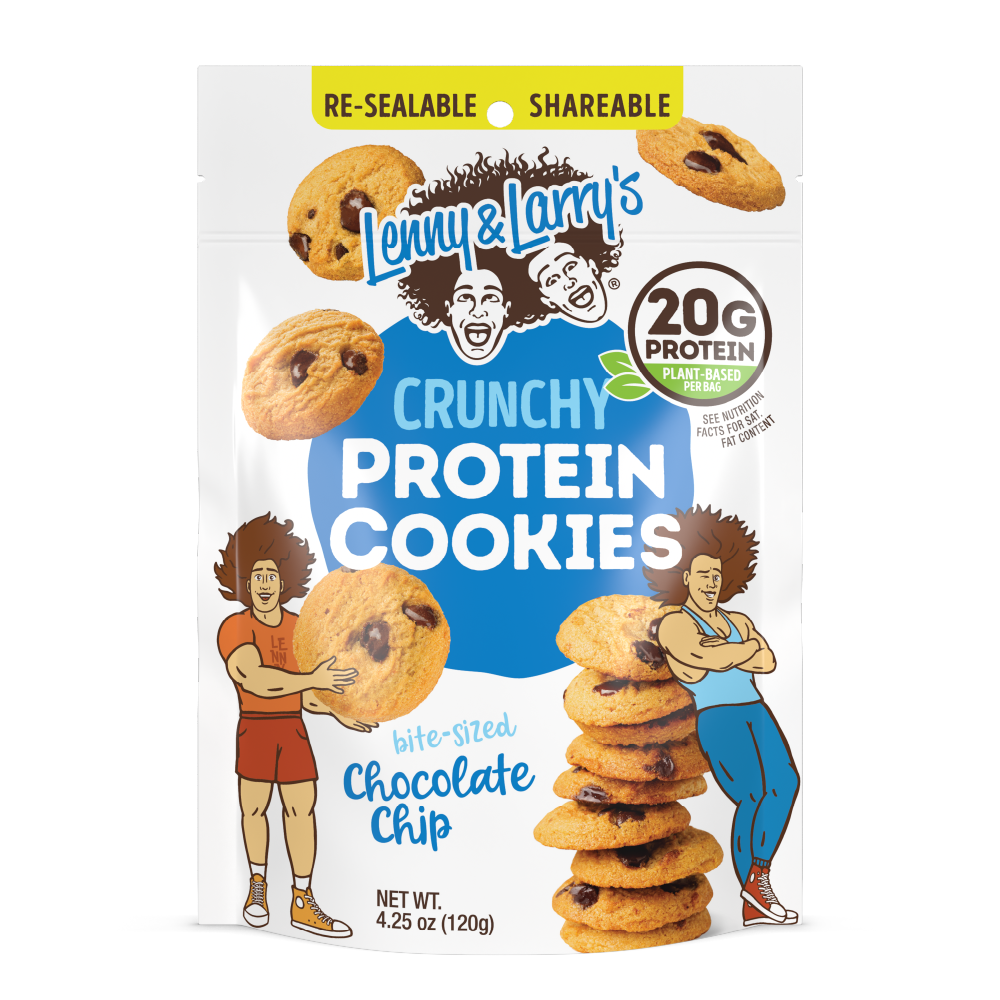
The catch is effort. Hitting 30 grams usually means cooking eggs (hard-boiled if possible), prepping Greek yogurt, or blending a shake. This is exactly the kind of friction that makes the habit collapse. That's where a grab-and-go option helps. A protein-forward snack you can keep at your desk or in your bag, like protein cookies and bars, turns "I didn't have time" into a non-issue and keeps the habit sustainable on the mornings that count most. Protein content and ingredients vary by product, so check the label for the exact grams and for any allergens before you make it a staple, and reach out to the brand directly if you have specific dietary questions. None of this is required to eat a good breakfast, it's simply the lowest-effort way to keep a high-value habit alive.
How did we score these habits?
Every habit earned two ratings: an evidence score for how strong and consistent the research is, and an effort score for how realistically you can keep it up day to day.

The evidence score runs across four levels. Strong means multiple randomized trials, large prospective studies, or consistent meta-analyses point the same way. Moderate means several studies support it, but with mixed results, smaller samples, or mostly indirect outcomes. Emerging means a handful of early or short trials look promising while the overall base stays thin. Weak or Contested means there's little direct evidence, or the popular rationale is actively unsupported.
The effort score runs across three levels. Low means under a couple of minutes, no equipment, and no willpower. Medium means a little planning or consistency, but most people can sustain it. High means real time, discomfort, or willpower, the kind of habit people tend to abandon within weeks.
Crossing the two scores produces the four verdicts. Start Here habits pair solid evidence with low or medium effort, so they return the most for the least. Worth It If You Can habits are well-supported but demanding. They provide a real payoff that you have to earn. Harmless, Optional habits are easy but thinly supported, fine to keep if you like them. Overrated habits ask for meaningful effort in exchange for benefits the science doesn't back.
How long does it take for a morning habit to stick?
Most morning habits take about two months of daily repetition to feel automatic. One widely cited study clocked a median of 66 days, with individuals ranging from 18 days to well over 200.
That figure comes from research on how habits form in real life, which tracked people adopting a new daily behavior and measured how long it took to feel effortless. The spread matters as much as the median: simple actions hit autopilot faster, while harder ones take much longer. This is the practical reason the effort score in the scorecard is worth taking seriously. A Low-effort habit like stepping into morning light crosses into automatic far sooner than a High-effort one like a daily cold plunge, so it's the surer bet to still be doing months from now.
Two things stack the odds in your favor. Attach the new habit to something you already do without thinking (get your light while the coffee brews, take your water the moment your feet hit the floor). And add only one habit at a time. Stacking five new behaviors on day one is how most morning overhauls fall apart by week two.
Skip the Overrated, and Start Simple
Skip the overrated rituals, start with a single high-evidence, low-effort habits and add another only once the first one sticks.
The point of ranking these habits isn't to hand you a longer to-do list before sunrise. It's the opposite: to free you from the ones that don't earn their place, so the few minutes you spend on your morning actually move something. Pick one habit from the Start Here column this week, anchor it to a routine you already have, and let it become automatic before you reach for the next. A morning built on two or three things that genuinely work will always beat one crammed with a dozen that don't.