


You see more athletes and everyday lifters shifting toward plant-based eating, but one question keeps coming up: will it support real performance?
Strength, recovery, and muscle growth depend on more than food labels. They depend on what you eat, how much you eat, and how consistently you hit your targets.
Research shows that muscle growth can be comparable between plant and animal protein when total intake and amino acid composition are matched (see the International Society of Sports Nutrition position stand: https://jissn.biomedcentral.com/articles/10.1186/s12970-017-0177-8). That sounds simple, but execution often falls short in real life.
You need enough total protein. You need the right amino acids (especially leucine). You need meals that support training demands. Plant-based eating can check all of those boxes if you approach it with structure.
What "Plant-Based Fitness" Actually Means
You’ll hear "plant-based fitness" used in a lot of different ways, but the meaning has shifted. No strict labels. It describes how you fuel performance using mostly plant-derived foods, with a focus on results.
Not Always Vegan
You don’t have to follow a fully vegan diet to fall into this category. Many people take a plant-forward approach, where most meals come from plants while still allowing flexibility when needed. This makes it easier to stay consistent with training and nutrition goals.
Focus on Plant-Derived Protein Sources
Your protein intake comes primarily from sources like legumes, grains, soy, and plant-based protein blends. The goal stays the same as any performance-focused diet: hit your daily protein target and support muscle repair after training.
Often Built Around Whole or Minimally Processed Foods
You’ll typically center meals around whole foods such as beans, lentils, vegetables, and grains. At the same time, many people include convenient options (like plant-based protein products) to help meet higher protein needs without excessive volume.
Can You Build Muscle on a Plant-Based Diet?

Short answer: yes. Results depend on how you structure your intake.
Protein Quantity Still Rules
Muscle growth responds to total daily protein first. Most active individuals land around 0.7 to 1 gram per pound of body weight depending on training intensity and goals. You can reach that range with plant-based foods, but it rarely happens without intention. Larger portions, more frequent meals, or added protein options often make the difference between maintaining and building.
Amino Acid Profile (The Real Constraint)
Not all protein sources deliver the same amino acid balance. Leucine drives muscle protein synthesis, and some plant proteins provide less of it per serving. You can close that gap through combinations. Pairing sources such as pea and rice protein or legumes with grains helps create a more complete amino acid profile and supports recovery after training. Research on protein quality and muscle response supports this approach (https://jissn.biomedcentral.com/articles/10.1186/s12970-017-0177-8).
Digestibility and Absorption
Plant-based diets often bring higher fiber intake. That can support overall health, but it may slow how quickly your body absorbs nutrients around workouts. Whole foods digest differently than concentrated protein sources. You may find that mixing both approaches - whole meals plus faster-digesting protein options - helps you stay fueled without feeling overly full.
The Most Common Mistakes in Plant-Based Fitness
You can follow a plant-based diet and still miss your performance goals.

Most issues come down to execution gaps that are easy to overlook.
1. You Think You’re Eating Enough Protein (But You’re Not)
A typical plant-based meal can look “healthy” but fall short on protein. For example:
-
- Oatmeal with almond milk: ~8–10g
- Salad with chickpeas: ~12–15g
- Rice and vegetables: ~8–10g
That full day might barely hit 40–60g total, which won’t support muscle growth for most active individuals. Hitting your target often requires intentional stacking of protein sources or adding more concentrated options.
2. You Rely Only on Whole Foods (And Miss Density)
Whole foods bring fiber, vitamins, and volume. They also make it harder to consume enough protein and calories without feeling full too early.
To reach performance-level intake, you often need:
-
- Higher-protein portions (larger servings of legumes, tofu, tempeh)
- More frequent meals
- Strategic use of protein-dense foods
Without that adjustment, your intake caps out before your body gets what it needs.
3. Your Protein Timing Doesn’t Support Training
Spacing matters. If most of your protein lands in one meal, your body doesn’t get consistent support for recovery.
A more effective approach:
-
- 20–30g protein per meal
- Eat within a few hours after training
- Spread intake across the day
This pattern supports muscle protein synthesis more effectively than uneven intake.
4. You Assume "Plant-Based" Automatically Supports Performance
Plant-based eating often gets associated with general health. Performance nutrition follows a different standard.
You still need:
-
- Enough total calories
- Adequate protein and amino acids
- Structured meals around training
Without those in place, the label alone doesn’t translate into strength, recovery, or progress.
Most setbacks in plant-based fitness don’t come from the diet itself. They come from underestimating how precise you need to be when performance is the goal.
Best Plant-Based Protein Sources for Performance
If your goal is strength and recovery, you need protein sources that deliver enough grams per serving and support consistent intake. Use this breakdown to build meals that actually meet your targets.
High-Protein Whole Foods (Foundation Foods)
Use these as your base for meals. Expect solid nutrition, but plan portions carefully to reach higher protein totals.
-
- Lentils: ~18g protein per cooked cup. Works well in bowls, soups, or mixed with grains.
- Chickpeas: ~14–15g per cooked cup. Easy to add to salads or roast for higher-calorie intake.
- Black Beans: ~15g per cooked cup. Pairs well with rice to improve amino acid balance.
- Edamame: ~17g per cooked cup. One of the more protein-dense whole plant options.
Performance-Focused Options (Higher Efficiency per Serving)
Use these when you need more protein without excessive volume.
-
- Pea Protein: ~20–25g per scoop. Strong amino acid profile for muscle support.
- Brown Rice Protein: ~20g per scoop. Often combined with pea protein to improve balance.
- Soy (Tofu, Tempeh): ~15–20g per serving depending on form. Considered a complete protein source (https://fdc.nal.usda.gov).
Convenience Options (Consistency Tools)
Use these to fill gaps when meals fall short or when you’re on the move.
-
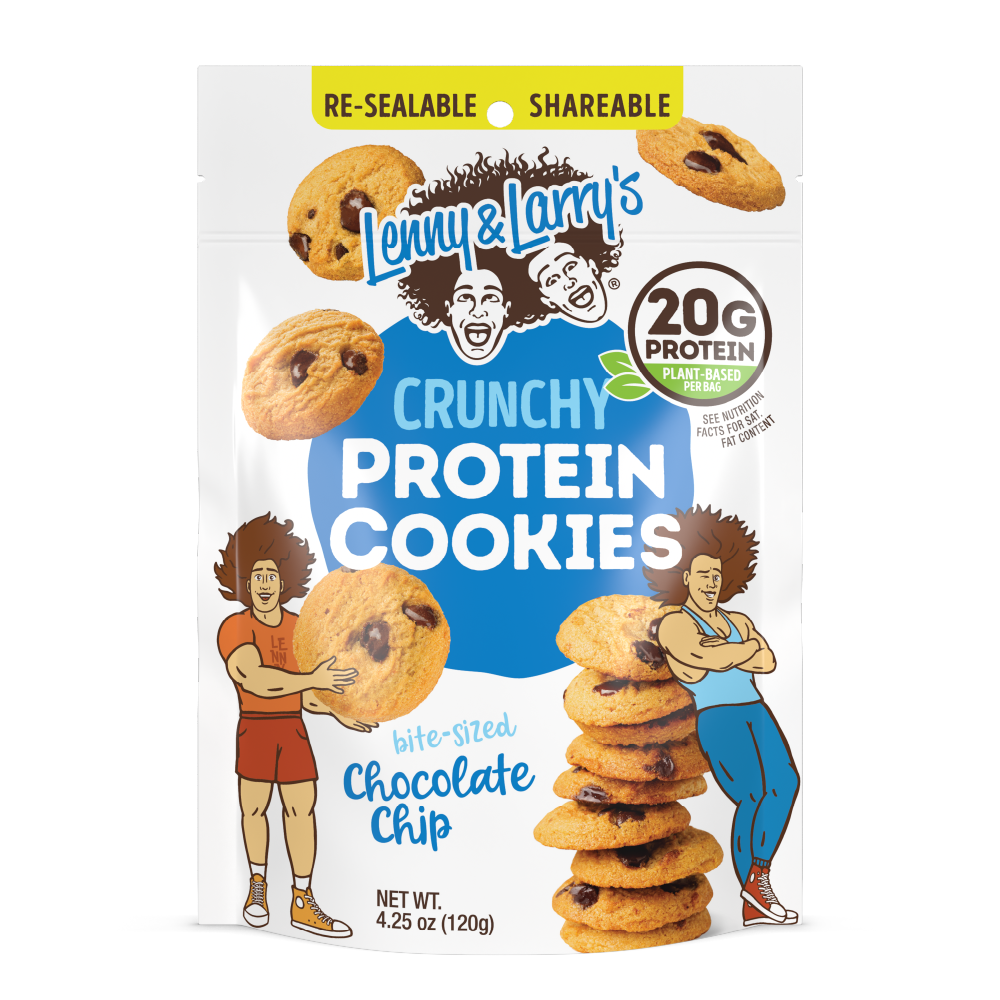
- Protein Snacks (Bars, Cookies, etc.): Typically 8–20g protein per serving. Helps you stay on track without extra prep.
- Ready-to-Eat Functional Foods: Designed for quick intake before or after training when timing matters.
How to Use This List
-
- Build meals around whole foods first
- Add performance-focused protein to reach your target
- Use convenience options when consistency gets difficult
This combination helps you hit daily protein goals without relying on one category alone.
How to Build a Plant-Based Fitness Plate (Simple Framework)

You don’t need complicated meal plans. You need a repeatable structure that hits your numbers every time you eat.
Step 1: Anchor with Protein (20–30g per Meal)
Start here. If this step misses, everything else falls short.
Examples:
- Tofu + lentils
- Tempeh + quinoa
- Pea protein added to a meal
Aim for 20–30g per meal, then adjust up based on your total daily target.
Step 2: Add Complex Carbs for Energy
Training performance depends on fuel. Carbs support output, endurance, and recovery.
Examples:
- Rice
- Potatoes
- Oats
- Whole grains
Match portion size to your activity level. Higher training volume usually means higher carb needs.
Step 3: Include Fats for Satiety and Recovery
Fats help you stay full and support overall recovery.
Examples:
- Avocado
- Nuts and seeds
- Olive oil
Keep portions moderate so they don’t crowd out protein or carbs.
Step 4: Fill Gaps with Convenient Protein Options
Even well-built meals can fall short on protein. This is where convenience matters.
Use:
- Protein snacks
- Ready-to-eat options
- Quick add-ons between meals
These help you stay consistent when time, appetite, or schedule gets in the way.
What This Looks Like in Practice
A simple plate might look like:
- Protein: tofu + lentils
- Carbs: rice or potatoes
- Fats: avocado or olive oil
- Add-on: protein snack if needed later
Repeat this structure across meals and you’ll stay much closer to your performance targets without overthinking each decision.
Plant-Based vs Traditional Diets (Performance Comparison)
Both approaches can support strength, recovery, and muscle growth. The difference shows up in how easily you hit your targets and how much structure you need.
| Performance Factor | Plant-Based Approach | Traditional Approach |
|---|---|---|
| Protein per Serving | Lower per food item; requires combining sources or larger portions | Higher per serving; easier to reach targets quickly |
| Amino Acid Profile | Varies by source; combining foods improves balance | Typically complete protein by default |
| Digestibility | Higher fiber can slow digestion for some people | Generally faster digestion depending on source |
| Meal Volume | Higher volume needed to reach calorie and protein goals | Lower volume needed for the same intake |
| Convenience | Requires more planning or strategic add-ons | More straightforward for hitting macros |
| Recovery Support | Comparable when protein and calories are sufficient (https://jissn.biomedcentral.com/articles/10.1186/s12970-017-0177-8) | Strong baseline with less planning required |
What This Means for You
You can get results with either approach. A traditional diet often makes it easier to hit protein targets with less planning. A plant-based approach can deliver the same outcomes, but you need to be more intentional with portions, combinations, and consistency.
Where Plant-Based Fitness Actually Shines
- Better digestion for some individuals
- Higher micronutrient intake
- Easier to maintain calorie control
- Often aligns with long-term health goals
Where Plant-Based Gets Challenging
- Hitting high protein targets consistently
- Meal prep and planning
- Travel / on-the-go nutrition
- Avoiding underfueling
The Real Shift: From "Plant-Based" to "Performance-Based" Eating
You don’t get results from a label. You get results from what you consistently do with your nutrition.
The focus has shifted. Instead of asking "is this plant-based?", you should be asking "does this support my performance?"
What Actually Drives Results
-
- Total Protein - You hit your daily target or you don’t. The source matters less than the total and the amino acid balance behind it.
- Consistency - One high-protein day won’t move the needle. Repeating the right intake across days and weeks is what builds progress.
- Recovery Support - Your meals need to support training output and recovery cycles. That includes protein distribution, calories, and timing.
- Practical Execution - If your plan is hard to follow, you won’t stick to it. Convenience, portability, and simplicity all matter.
What This Looks Like in Practice
A performance-based approach doesn’t eliminate plant-based eating. It sharpens it.
You:
-
- Choose foods based on protein contribution, not just category
- Combine sources to improve amino acid intake
- Use convenient options when whole foods fall short
- Build repeatable meals instead of chasing variety every day
Where Most People Get It Wrong
You might assume that eating plant-based automatically supports training. It doesn’t. Without enough protein, structure, and consistency, progress stalls regardless of diet type.
Plant-based eating can fully support strength and muscle development. The difference shows up in how you build it. When you focus on performance first, your results reflect that.
Is Plant-Based Fitness Right for You?
This isn’t about picking a side. It’s about choosing a setup you can execute every day without friction.
You’ll Likely Do Well With It If…
-
- You already lean toward plant-forward meals: Your default choices make it easier to stay consistent without forcing change.
- You don’t mind building meals with intention: You’re willing to think through portions, combinations, and protein totals.
- You track or prioritize protein intake: You pay attention to numbers and adjust when you fall short.
- You value structure over convenience alone: You’re comfortable using a mix of whole foods and targeted protein options to stay on track.
You May Run Into Friction If…
-
- You need high calories to support your training: Eating enough can feel like a volume challenge with plant-heavy meals.
- You want low-effort nutrition: Grabbing whatever is available rarely delivers enough protein on this approach.
- You don’t monitor intake closely: It’s easy to assume you’re eating enough when you’re not.
- You rely on appetite alone to guide eating: Fullness can show up before you reach your targets.
Quick Self-Check
Ask yourself:
-
- Can you consistently hit your protein goal each day?
- Can you repeat your meals without overthinking them?
- Can you adjust when progress stalls?
If the answer is yes, plant-based fitness can work.
If not, you’ll need to simplify your system or adjust your approach.
The best diet is the one you can execute with consistency. If plant-based eating supports that, it becomes a strong option. If it adds friction, performance usually drops before you notice it.
Final Take: Plant-Based Fitness Comes Down to Execution
You can build muscle, recover effectively, and perform at a high level with a plant-based approach. The outcome depends on how well you structure your intake day after day.
You hit your protein targets. You space your meals. You support training with enough calories and the right food combinations. When those pieces are in place, results follow. When they’re not, progress slows regardless of how "clean" your diet looks.
Most people fall short on plant-based nutrition due to consistency, planning, or total intake.
If you can build a system that you repeat without friction, this approach can work long term. If it feels difficult to maintain, simplify your structure or adjust your strategy until it fits your routine.
Performance reflects what you do consistently.