

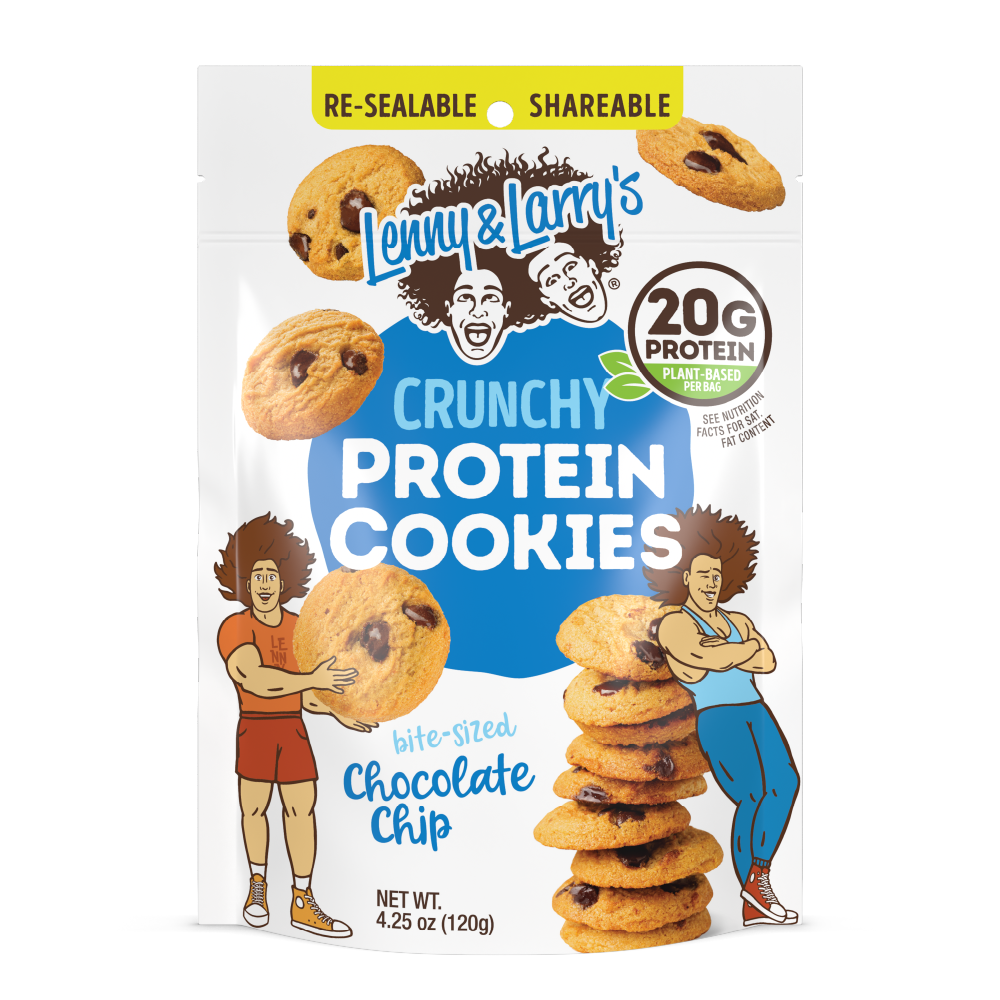

You spot "pea protein" on the label, your brain pattern-matches to "pea... pod... peanut?", and suddenly you're standing in the snack aisle running a tiny risk assessment. Fair. Peas and peanuts share a name, a shape, and a botanical family, so the worry makes sense. The good news: the science is reassuring for most people, with a few specific exceptions worth knowing. Here's the straight answer, plus exactly when to slow down and ask a professional.
Before you begin - always consult your physician before beginning any exercise (or dietary) program(s). This general information is not intended to diagnose any medical condition or to replace your healthcare professional. Consult with your healthcare professional to design an appropriate exercise prescription (or dietary program) that's right for you.
Can you have pea protein if you're allergic to peanuts?
For most people with a peanut allergy, pea protein is fine. However, it isn't a guaranteed free pass, so check with your allergist before you dive in. Peas and peanuts both belong to the legume family, yet a peanut allergy does not automatically mean a pea allergy. Plenty of people who react badly to peanuts tolerate peas, pea protein powder, and pea-based snacks without any trouble at all.
The catch is that "most people" isn't "everyone." A small subset reacts to both, which is why a quick conversation with an allergist beats guesswork (especially if your peanut reactions have ever been severe).
Why do peanuts and peas get grouped together?
They share a family tree, and a few of their proteins look similar enough to occasionally confuse your immune system. Peanuts, peas, soybeans, lentils, and chickpeas are all legumes. Some of their storage proteins - the vicilins - resemble one another closely enough that an immune system primed against one can sometimes react to another. Researchers have documented clinically relevant cross-reactivity between pea and peanut, traced to a shared vicilin protein known as Ara h 1.
The concern isn't imaginary. It's just far less common than the shared name suggests.

How common is a pea–peanut reaction, really?
Rare. Cross-reactivity across legumes happens, but it's the exception, not the rule. A review of pea allergy notes that clinically significant cross-reactivity among legumes is uncommon, and that peas don't even appear on most countries' priority allergen lists the way peanuts and soy do. Allergists who manage peanut allergies point out that the most frequent legume cross-reactions involve peanut with lupin or soy, and lentil with chickpea. The pea sits lower on that list.
Translation: if you line up everyone with a peanut allergy, only a slice will also react to pea. Most won't. But "rare" still means real for some, so personal testing matters more than population odds.
When should you be extra cautious?
Treat pea protein carefully if your peanut allergy is severe, if you've reacted to other legumes, or if you've never tried peas before. A few situations call for a slower, supervised approach:
- You've had anaphylaxis to peanuts. Higher stakes mean less room to experiment solo.
- You already react to lentils, chickpeas, soy, or lupin. Multiple legume sensitivities raise the odds of another.
- You genuinely don't know whether you tolerate peas, because you've avoided the whole family.
In any of these cases, an allergist can run skin-prick or specific-IgE testing and, when appropriate, supervise a food challenge. That's a far safer route than a hopeful taste-test at your kitchen counter.
How do you check a product is safe for you?
Read the full ingredient panel, watch for shared-equipment warnings, and never assume plant-based means peanut-free. A snack can be dairy-free and still run on a line that also handles peanuts. Scan for an allergen statement, look for "may contain" advisories, and when a label leaves you guessing, contact the brand directly rather than rolling the dice. If you carry epinephrine, keep carrying it! A new food is exactly the moment that habit earns its keep.
Does Pea Protein Have Iron?
Yes.
Pea protein quietly delivers a meaningful dose of iron, which is one reason it pulls ahead of dairy-based powders on the nutrition panel. Pea protein supplies non-heme iron, the plant form, and depending on the product a serving can contribute a respectable share of your daily target. Your body absorbs non-heme iron less efficiently than the heme iron in meat, and naturally occurring phytates blunt uptake further, so a couple of small habits help: pair your pea protein with a hit of vitamin C (think citrus, berries, or bell pepper) and keep it separate from large calcium doses, since calcium competes for absorption. Food scientists are actively working the problem too. Research on low-phytate pea varieties shows measurably better iron bioavailability, and pea ferritin has shown promise as a well-tolerated iron source.
Net result: that scoop is chipping away at a nutrient a lot of people run short on.
The Bottom Line
Most people with a peanut allergy can enjoy pea protein without a problem, because a shared legume label doesn't mean a shared reaction — genuine pea–peanut cross-reactivity exists, but it stays rare. The smart move is simple: if your peanut allergy is severe or you react to other legumes, loop in an allergist before your first bite, read every label like it owes you money, and keep your epinephrine close when you try anything new. Clear that hurdle, and you get a protein that's plant-based, dairy-free, and packing a bonus dose of iron on the side. Snack on, carefully.
This article is for general information and isn't medical advice. If you have a peanut or legume allergy, talk to a qualified allergist before adding pea protein to your routine.