


You drink coffee every morning, so you assume your body stopped responding to caffeine a long time ago.
Half of that is true.
Your daily habit cancels out most of the mental lift you used to get from a cup. The boost caffeine gives your workout is a separate effect, and the research shows it holds up even in heavy coffee drinkers.
Why Do So Many People Drink Coffee Before Working Out?
Caffeine is one of the most studied performance aids in sports nutrition, so it shows up everywhere from a cup of coffee before a long run to the stimulant in a scoop of pre-workout powder.
The International Society of Sports Nutrition reviewed the evidence in its 2021 position stand and found that caffeine improves muscular endurance, movement speed, strength, sprinting, jumping, and throwing, along with a wide range of aerobic and anaerobic sport tasks. Aerobic endurance shows the most consistent benefit, and caffeine works in trained and untrained people alike.
The effect runs through your nervous system. Caffeine blocks the effects adenosine has on nerve signaling, arousal, and pain perception, which researchers propose as the main reason it improves endurance and power, according to a 2019 study in PLOS ONE.
That leaves two groups of people asking the same question. Some of you take caffeine on purpose before training, whether that means a coffee before a race or a pre-workout drink before lifting. Others simply drink coffee every morning and also train. Most people land in both groups at once.
The common belief says a daily habit builds a tolerance, so caffeine stops helping your workouts once you drink it every day. Some athletes go further and cut caffeine for days before a race to "reset" it. The research says your daily cup changes one effect and leaves the other mostly intact.
Does Drinking Coffee Every Day Build a Caffeine Tolerance?
Yes for the mental buzz and mostly no for the workout boost, and that split explains why your coffee feels weaker while it still helps you train.

In a 2013 study of 369 adults in Psychopharmacology, University of Bristol researchers compared medium-to-high caffeine consumers (212 people) with non-to-low consumers (157 people). After an overnight break, the regular drinkers showed signs of withdrawal, including more sleepiness, lower alertness, and slower reaction times. Caffeine brought them back to normal. In the light consumers, who had no withdrawal to reverse, caffeine reduced sleepiness but raised jitteriness enough to cancel out any gain in alertness.
The researchers concluded that tolerance to caffeine's effect on sleepiness means frequent use fails to deliver a real gain in alertness. Your morning cup mostly undoes the withdrawal that built up overnight. Caffeine still improved physical performance in the study, though, and that half of the story matters most for your training.
Call it The Tolerance Split:
- What fades: the sharp, alert feeling. Daily drinkers mostly use the first cup to get back to baseline.
- What holds: the performance effect. Regular coffee drinkers still ride, run, and lift better with caffeine on board.
- What it means for you: feeling less of a buzz is not evidence that caffeine stopped helping your workout.
Does Caffeine Still Help Your Workout If You Drink Coffee Daily?
Yes, and the largest review on the question found that your daily caffeine habit doesn't change how much caffeine improves your exercise performance.
Researchers at the University of São Paulo tested 40 endurance-trained male cyclists in a 2017 study in the Journal of Applied Physiology. They split the riders into three groups by daily intake, averaging 58 milligrams, 143 milligrams, and 351 milligrams a day. Each rider completed a cycling time trial after taking 6 milligrams of caffeine per kilogram of body weight. All three groups improved by similar amounts, and the researchers found no link between daily intake and the size of the boost.
A 2022 meta-analysis in Sports Medicine then pooled 60 caffeine studies that reported participants' habitual intake. Caffeine improved performance over placebo, and habitual consumption didn't change that effect in men, women, trained, or untrained athletes. The benefit held across endurance, power, and strength exercise.
Can You Build a Tolerance to Caffeine's Performance Boost?
Partly, because the boost can shrink when you take the same dose every day for weeks, but it fades slowly instead of switching off.

The 2019 PLOS ONE trial gave 11 healthy, active adults 3 milligrams of caffeine per kilogram of body weight every day for 20 days and compared the results with a 20-day placebo phase. Caffeine raised peak cycling power by roughly 4.0 percent for the first 15 days before the effect started to fade. In a short all-out sprint test, caffeine raised peak power by roughly 4.9 percent on days 1, 4, 15, and 18. In both tests, the boost peaked on day one and got smaller over time.
That finding looks like it clashes with the São Paulo results, but the two answer different questions. The PLOS ONE trial tracked a small group adjusting to a new daily caffeine capsule. The meta-analysis looked at dozens of studies on people with established habits and found they still benefit. Taken together, steady daily use may trim the edge a little, yet the bulk of the evidence says it doesn't erase it.
Should You Quit Caffeine Before a Race?
No, a four-day caffeine break before a time trial didn't make caffeine work any better, and withdrawal can leave you sleepier and slower on the morning you need to be sharp.
Griffith University researchers tested this directly in a 2011 study in the Journal of Sports Sciences. Twelve well-trained male cyclists who regularly consumed caffeine either cut it for four days or kept taking a steady low dose. Then they took 3 milligrams per kilogram 90 minutes before a time trial equal to about an hour of hard cycling. Caffeine improved performance by 3.0 percent after the withdrawal period and by 3.6 percent without it, and the difference between the two wasn't significant.
Skipping your usual caffeine also carries a cost. In the Bristol study, regular drinkers who went without felt sleepier, less alert, and reacted more slowly. Keep your normal morning routine on race day, and while you fine-tune the rest of race morning, check how fiber timing can work against you too.
How Much Caffeine Should You Take Before a Workout?
Aim for 3 to 6 milligrams per kilogram of body weight about 60 minutes before you train, and start at the low end of that range.
That range comes from the ISSN position stand, which also notes the minimum effective dose may be as low as 2 milligrams per kilogram. Very high doses around 9 milligrams per kilogram bring frequent side effects without extra benefit. Sixty minutes before exercise is the most commonly used timing, though faster-absorbing sources like caffeine gum may need less lead time.
For a 150-pound person, the numbers work out like this:
- 2 milligrams per kilogram: 136 milligrams
- 3 milligrams per kilogram: 204 milligrams
- 6 milligrams per kilogram: 408 milligrams
The FDA lists a 12-ounce cup of regular brewed coffee at 113 to 247 milligrams, so one or two cups covers the lower end for most people. The FDA also cites 400 milligrams a day as an amount not generally associated with negative effects for most adults. For a 150-pound person, the top of the performance range already passes that before you count the rest of your day's coffee, which gives you one more reason to start low.
Plain coffee does the job. In a 2013 University of Birmingham study, trained cyclists and triathletes drank either pure caffeine or instant coffee, each delivering 5 milligrams of caffeine per kilogram, one hour before exercise. Both finished a time trial about 5.0 percent faster than they did with placebo or decaf.
Watch the clock if you train late. A 2013 study in the Journal of Clinical Sleep Medicine found that 400 milligrams of caffeine taken six hours before bed cut total sleep time by more than an hour, and participants didn't notice the loss. Short sleep undercuts the training you just did, since one sleepless night cuts muscle building by 18%. For evening sessions, use a smaller dose or skip it.
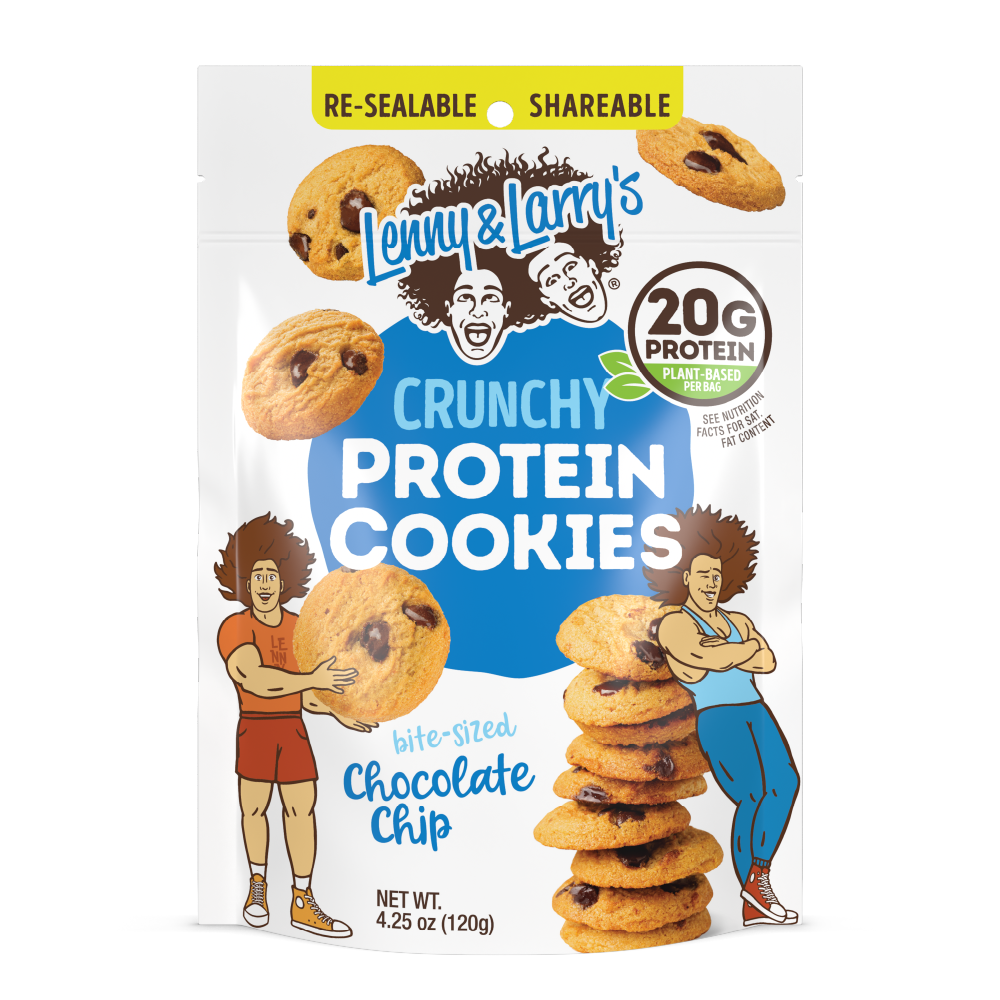
Your response is personal, too. The ISSN notes that genetic differences in how you process caffeine can shape both its performance effect and side effects like poor sleep or anxiety. Caffeine also changes how hard the work feels without supplying any fuel, so if a cup of coffee makes up your entire routine before a long session, pair it with a real snack, like a Lenny & Larry's Protein Cookie.
What This Means for Your Morning Cup
Keep your coffee, because a daily habit dulls the buzz but leaves most of caffeine's workout edge in place.
The Tolerance Split explains the mismatch you feel. Your morning cup now mostly brings you back to baseline, so it no longer registers as a lift. Your workout tells a different story: regular drinkers still perform better with caffeine on board, a four-day break buys you nothing extra on race day, and the right dose depends on body weight and timing rather than abstinence.
Dose by body weight, take it about an hour before you train, and keep it well clear of bedtime.
Your Questions About Coffee, Caffeine, and Training, Answered:

Does caffeine tolerance reduce the exercise benefits of caffeine?
Mostly no. A 2022 meta-analysis of 60 studies found that habitual caffeine intake didn't change caffeine's performance benefit in men, women, trained, or untrained people. Daily coffee does dull the mental buzz, which is why caffeine can feel weaker even while it still helps your workout.
Should you stop drinking coffee before a race?
No. In well-trained cyclists, a four-day caffeine break didn't make a 3 milligram per kilogram dose work any better in a time trial. Withdrawal can also leave you sleepier, less alert, and slower to react, so keep your usual routine on race morning.
How long before a workout should you drink coffee?
About 60 minutes before you start. That's the most commonly used timing in caffeine research, and it's the window used in the study where coffee produced a roughly 5.0 percent faster time trial. Faster-absorbing sources like caffeine gum may need less lead time.
Is coffee as effective as caffeine pills for exercise?
In a 2013 head-to-head study, coffee and pure caffeine at the same dose of 5 milligrams per kilogram improved time trial performance by about the same amount. Both were roughly 5.0 percent faster than placebo or decaf.
How much caffeine should you have before a workout?
Research supports 3 to 6 milligrams per kilogram of body weight, with benefits possible from as little as 2. For a 150-pound person, that works out to 204 to 408 milligrams. Start at the low end, since the FDA cites 400 milligrams a day as the amount not generally associated with negative effects for most adults.